Loss Marginalia - هوامش الفقد
Qattan Foundation, Ramallah, Palestine
16 May 2026 - 28 January 2027
Curator
Amin Alsaden
Artists
Vera Tamari, Hussein Nassereddine, Hussein Shikha, Ismaïl Bahri, Joe Namy with Maya Al Khaldi, Kholoud Hammad, Morjan Ghanayem, Nadim Choufi, Ola Hassanain, Osama Hussain, Rachid Koraïchi, Raisan Hameed, Rawan Murad, Reem Masri, Sadiq Al-Harasi, Sara Kontar, Shereen Abedalkareem Hasanin, Sohail Salem, Tarik Kiswanson, and Thana Faroq.
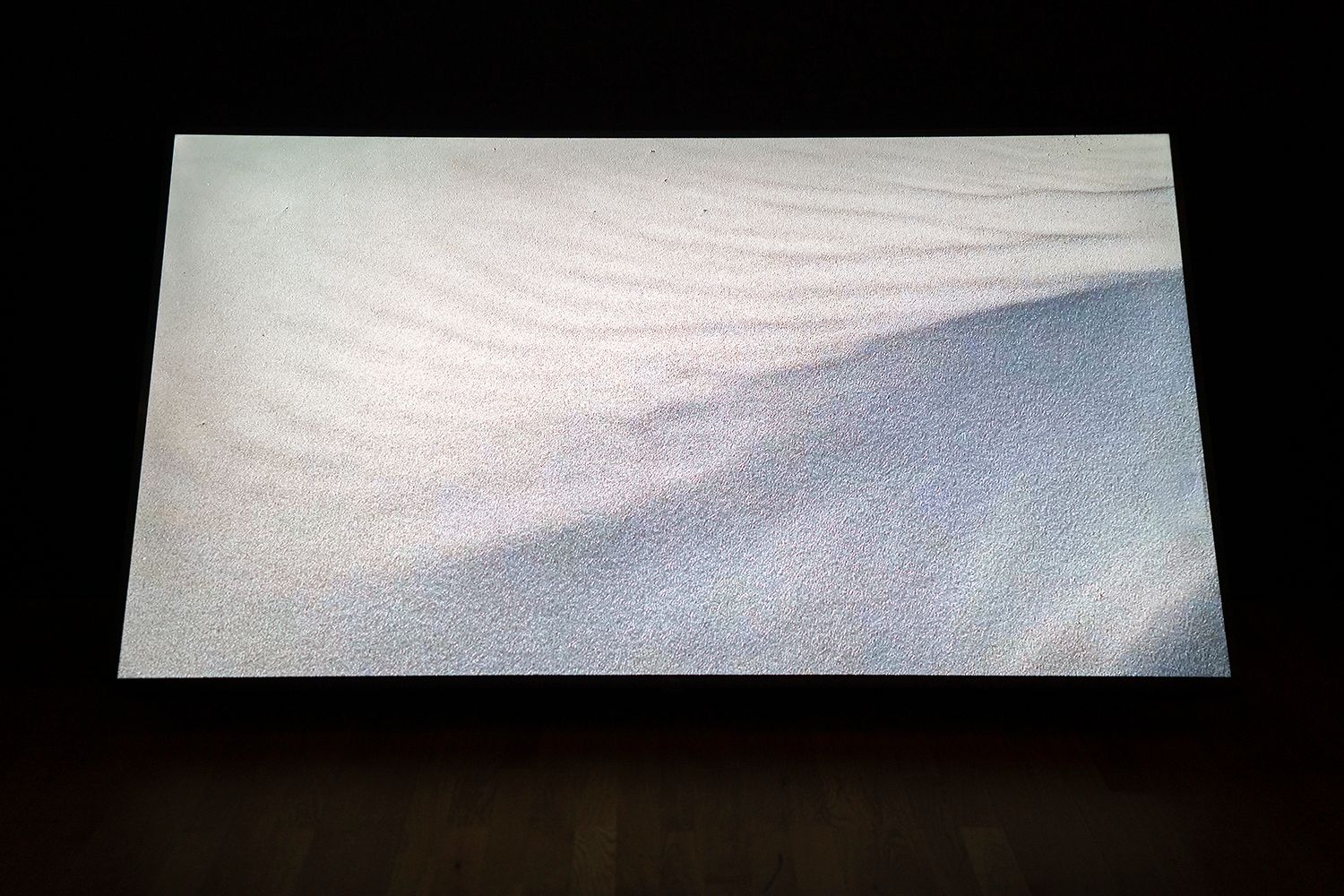
The A. M. Qattan Foundation inaugurated, on 16 May 2026, the exhibition Loss Marginalia at its premises in Ramallah. The group exhibition falls under the multifaceted project Elegiac Whispers, curated by Amin Alsaden, and brings together artists from Palestine and the Arab world and its diasporas.
The project invokes Arab grief not as a subject to be examined, represented, or displayed in the abstract, but rather revolves around it, as grief itself constitutes the methodology through which the participating works were conceived. Alsaden distinguishes between these two approaches, describing the works as “poetic,” insofar as they approach grief with intensity and profound sensitivity, attending to aesthetics while simultaneously grappling with this deeply complex and heavy subject.
The participating artists delve into loss much like poets do: the more they contemplate grief, attempting to grasp this elusive, ambiguous, and overwhelming condition, the more it slips through their fingers. Alsaden elaborates, “We must recognize that the contemporary reality of this region has been shaped by grief, following years and even decades of immeasurable losses, and we should confront this truth candidly.”
The exhibition presents a group of contemporary works spanning sculpture, embroidery, photography, video, drawing, and sound installation. Despite their varied materials and approaches, the works converge in their engagement with loss in this region with its unending sorrows. The works may be understood as “poetic marginalia scribbled around a gaping void, the losses that can never be recovered,” as described in the exhibition statement.
Among the exhibited works is Algerian artist Rachid Koraïchi’s elegy to friendship: a talisman born from a visitation dream in which his old companion Mahmoud Darwish lamented what his nation has been enduring. Installed outdoors on the Foundation’s terrace, the work is composed of stones gathered from Bisan, Tiberias, Jericho, and Birzeit, arranged into interlocking waves evoking the land’s shores. At its center lies a star containing Arabic letters, standing for the departed poet’s words. The work is an homage to Palestine and its great poet, created in solidarity.
Palestinian artist Reem Masri, meanwhile, embroidered her elegy to the mother nation onto a mourning veil inspired by her grandmother’s shawl, draped around a long dress until the two blend into one another. Running the length of the work is a hand-embroidered poem composed by the artist herself, lamenting the incessant cycles of rage, fear, and sorrow. Her work searches for the tenderness of Palestine, the mother nation, amid recurring catastrophes endured by its people.
Lebanese artist Nadim Choufi compiles an elegy to recollection inspired by the story of Palestinian poet Ali Foda, who awoke from a coma only to read the obituaries written by those who believed he had died. Choufi assembles an imagined auto-obituary from Foda’s earlier verses, whose strands merge to suggest the word “no” in Arabic, implying a refusal of death and of being forgotten. This is an elegy recycling other elegies.
Five artists from Gaza — Kholoud Hammad, Osama Hussain, Rawan Murad, Shereen Abedalkareem Hasanin, and Sohail Salem — present hand-sketches produced between 2023 and 2025 under conditions of siege and genocide, reproduced on postcards that visitors may take and circulate globally. The curatorial statement describes these works as “mementos of surreal circumstances, glimpses into unimaginable catastrophes.”
Alsaden notes, "Artists, like poets, are capable of approaching extremely difficult subjects through captivating and lyrical means, urging audiences to reflect and to carry those reflections with them. This is the subtle power of art and the significance of exhibitions in particular as impactful communal and cultural forums.”
The exhibition draws upon Arabic poetry as both a conceptual framework and a point of departure. Elegy, one of the oldest genres of Arabic poetry, traditionally opens with a specific image: stopping by ruins, employing lamentation over what has been lost not as a conclusion but as a prelude to what follows. The exhibition consciously echoes this structure; it does not seek resolution, transcendence, or consolation, but rather “reconciling with harrowing absences” as the beginning of a more profound understanding, one that “opens windows into a complex reality occluded by survival mechanisms", as Alsaden writes.
Within this framework, grief is not something to overcome but something to confront. The exhibition likewise reflects an understanding that mourning is not a luxury that can be postponed. As Alsaden explains: “Confronting our grief is a collective responsibility, and there is urgency in remembering what — and who — disappeared. We cannot wait until our wounds heal. Mourning is our right now, an ongoing act of resistance against erasure, a collective refusal to forget what is dear to us.”
The loss addressed by the exhibition accumulates across time: the loss of human lives, homelands, intimacy, language, ancestral practices, and the bonds between the communities of this region. Arab lands are saturated with grief at their core. Alsaden, speaking as an Iraqi hosted by Ramallah, believes that this accumulation calls for a collective consciousness: “Among us Arabs, there remains so much that is shared, and we must grieve the loss of those deep historical and cultural connections that generations raised under colonial borders unfortunately no longer fully recognise."
This acquires an additional layer of significance when considering that Alsaden — who received his doctorate in history from Harvard University and whose current research centres on solidarity — found in Ramallah an echo of his own experience. As he remarks, "I saw my own experience reflected in this land. My ongoing academic research revealed to me that Palestine has always been central to Arab collectivity — indeed, at the heart of the modern Arab world.”
Alsaden describes the project as “only a beginning.” He asks: “Where do we go from here, once we absorb these realities? Can mourning lay the foundations for another consciousness, for an alternative reality?” As in classical Arabic poetry, stopping by ruins was never an end in itself; what followed was always the principal subject. Loss Marginalia, therefore, poses the essential question: after pausing, where do we go next?
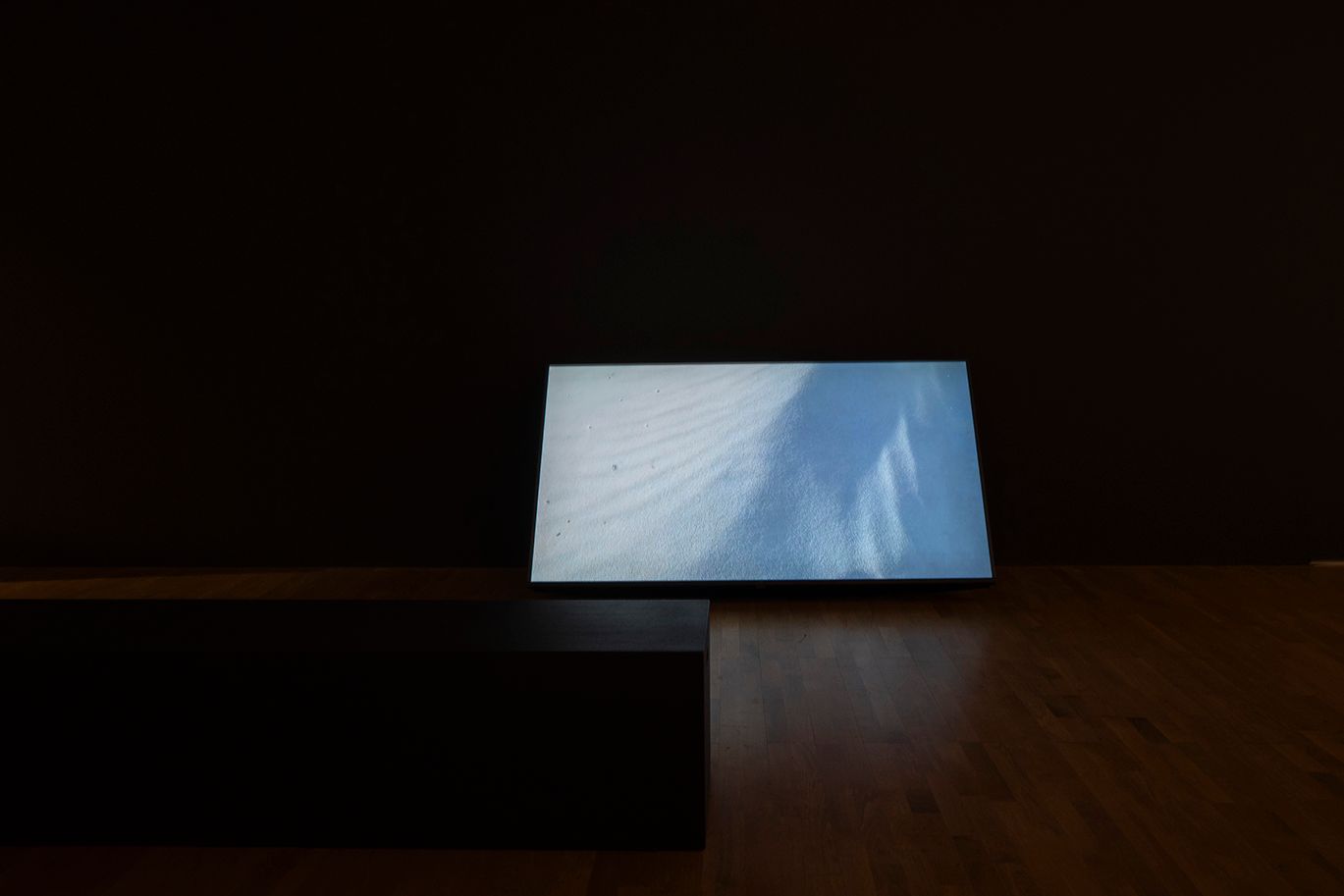
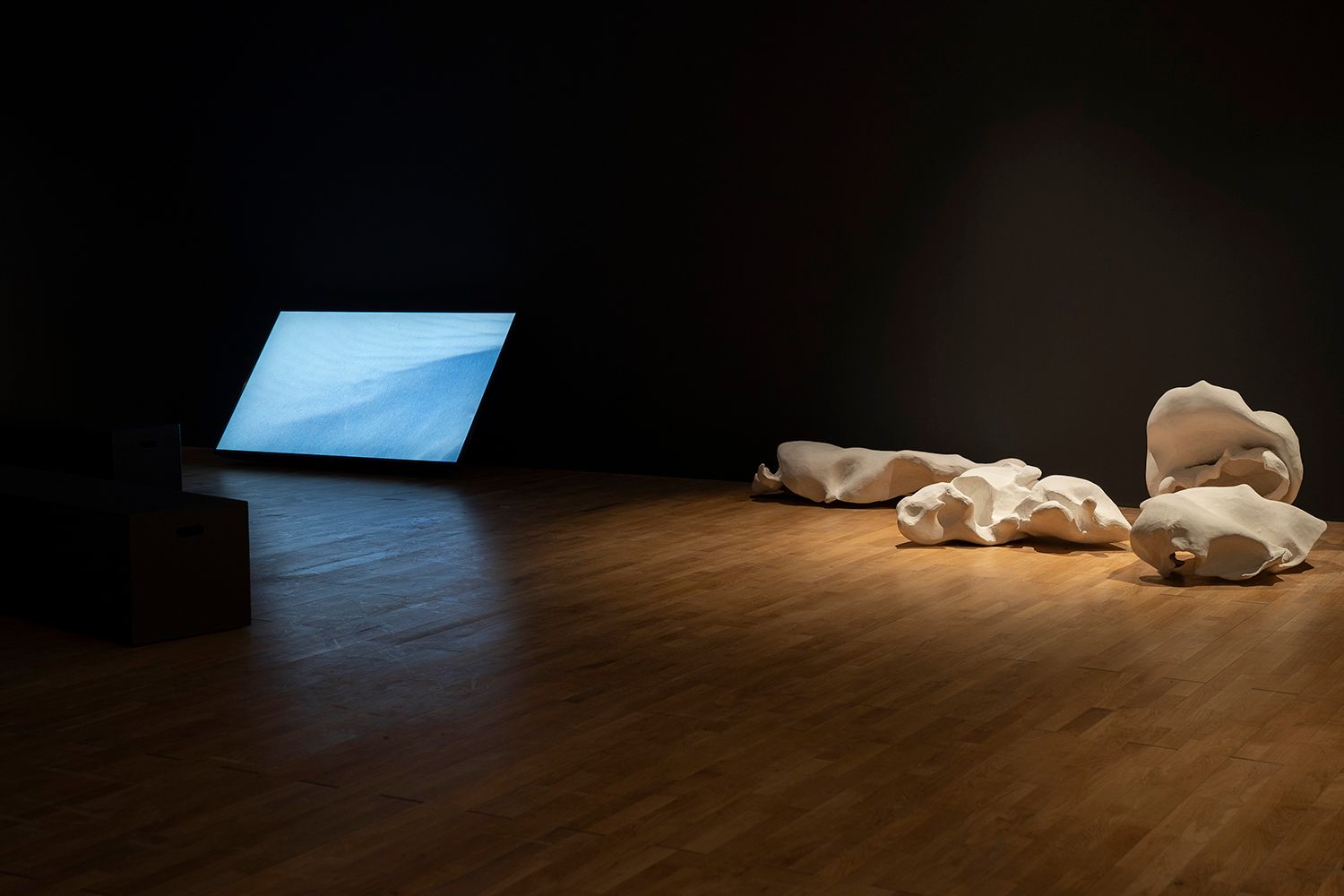
يستحضر مشروع "هسهسة الرثاء "الحزن العربي، لا كموضوع يُدرَس ويُمثَّل ويُعرَض بشكل مجرد، وإنما يشتغل عليه من داخله، حيث يكون الحزن نفسه المنهجيةَ التي على أساسها أُنتجت الأعمال المشاركة. يميّز السادن بين هذين المنطلقين، ويصف الأعمال المشاركة بـ "الشعرية" إذ تقترب من الحزن بكثافة وبحساسية مرهفة، تُراعي جماليّات الفن وتعالج في الوقت ذاته ما هو بالغ التعقيد والثقل.
يتبحّر الفنانون المشاركون في الفقد كما يفعل الشعراء، فكلّما أمعنّوا التفكير في الحزن، محاولين إمساك هذا الشيء المتذبذب المبهم واللانهائي، كلّما أفلت من بين أيديهم. ويقول السادن "علينا أن ندرك أن واقع المنطقة الراهن شكَّله الحزن، بعد سنوات وعقود من الخسائر التي لا تُحصى، ويتحتم علينا مصارحة أنفسنا ومواجهة هذه الحقيقة."
يقدم المعرض مجموعة من الأعمال المعاصرة التي تُمثّل مواد وأساليب متباينة، من النحت والتطريز والفوتوغرافيا والفيديو والرسم والتركيب الصوتي، لكنها تجتمع في تعرضها للفقد في هذه المنطقة، وأحزانها التي لا تنتهي. يمكن اعتبار الأعمال المشاركة "هوامش شعرية مخطوطة في فراغ شاسع، تركته خسائر لا يمكن تعويضها" كما يصفها بيان المعرض التعريفي.
تتضمن الأعمال المعروضة ما قدمه الفنان الجزائري رشيد قريشي رثاءً للصداقة، طلسم وُلد من حلم تجلّى فيه رفيقه الراحل محمود درويش، حيث شُكِّل العمل في الهواء المفتوح على شرفة المؤسسة، من أحجار جُمعت من بيسان وطبريا وأريحا وبيرزيت ورُتّبت على هيئة أمواج تحاكي شواطئ البحر المتوسط، في قلبه نجمة تتشكّل فيها حروف عربية ترمز لكلمات الشاعر. هذا العمل تحية لفلسطين وشاعرها الكبير، أُنجزت بروح التضامن.
وقامت الفنانة الفلسطينية ريم المصري بتطريز مرثيتها للوطن الأم على وشاح حداد مستوحى من وشاح جدتها، يلفّ فستاناً طويل حتى يذوبا في وحدة بصرية واحدة، وعليه قصيدة من تأليفها تندب دوامات الغضب والخوف المتراكمة. ويبحث عملها عن حنان فلسطين الوطن الأم، في ظل مآسٍ تتكرر يتكبدها أبنائها.
أما الفنان اللبناني نديم شوفي فيصوغ مرثيةً للاستذكار مستوحاةً من قصة الشاعر الفلسطيني علي فودة، الذي استيقظ من غيبوبته ليقرأ أنعيته التي كتبها من ظنوه قد فارق الحياة. يجمع شوفي من أبيات فودة السابقة نعياً ذاتياً متخيلاً، خيوطه تندمج لتشكّل كلمة "لا" باللغة العربية، رفضاً للموت والنسيان. فهذه مرثية تعيد تدوير مراثٍ أخرى.
كما يعرض خمسة فنانين وفنانات من غزة، وهم خلود حماد، وأسامة حسين، وروان مراد، وشيرين عبد الكريم حسنين، وسهيل سالم، رسوماتٍ يدوية أُنجزت بين عامَي 2023 و2025 في ظروف الحصار وحرب الإبادة، مطبوعةً على بطاقات بريدية يمكن للزوار أخذها وتداولها عالميا. ويصف البيان هذه الأعمال بأنها "شواهد على ظروف لا يمكن تصديقها، ولمحات من كوارث لا يمكن تصوّرها".
يقول السادن في هذا السياق "الفنانون، كالشعراء، قادرون على تناول موضوعات بالغة الصعوبة بأساليب آسرة وشعرية، مما يحث الجمهور على التأمل وحمل ذلك الأثر معهم. هذه هي قوة الفن المرهفة، ودلالة المعارض بالتحديد بوصفها منابر مجتمعية وثقافية مؤثرة."
يستحضر المعرض الشعر العربي كإطار مفاهيمي ونقطة انطلاق. فالرثاء، أحد أعرق أبواب الشعر العربي، يُفتتح تقليدياً بـالوقوف على الأطلال، ويستخدم النوح على ما ضاع كمقدمةً لا خاتمة، كتوطئةً لما يأتي بعدها. يحاكي المعرض هذه البنيةَ بوعي، إذ لا يسعى إلى حلٍّ أو تجاوز أو عزاء، بل إلى "التصالح مع الغيابات المفجعة" بوصفها بداية لفهم أعمق، "ليفتح آفاقاً على واقع معقد عادةً ما تحجبه محاولات البقاء"، كما يكتب السادن.
في هذا الإطار الحزن ليس ما يُتجاوَز، بل ما يُواجَه فحسب. كما يعكس المعرض أيضاً فهماً بأن الحداد ليس ترفاً يمكن تأجيله. حيث يقول السادن "مواجهة حزننا مسؤولية جماعية، وثمة إلحاح في تذكّر ما ومن اختفى. لا يمكننا الانتظار حتى تلتئم الجراح. الحداد حقنا الآن، وهو ضرب من المقاومة المستمرة ضد المحو، وتصدٍّ جماعي لنسيان ما هو عزيز علينا".
الفقد الذي يتناوله المعرض متراكم عبر الزمن، من فقدان الأرواح، والأوطان، والحميمية، واللغة، والممارسات المتوارثة، والصلات بين مجتمعات هذه المنطقة، حيث الأراضي العربية نفسها متشرّبة بالحزن في جوهرها. كذلك يرى السادن، من موقعه كعراقي تستضيفه رام الله، أن هذا التراكم يستدعي وعياً جماعياً "بيننا نحن العرب الكثير مما هو مشترك، وعلينا أن نحزن على فقدان تلك الصلات التاريخية والثقافية العميقة، والتي مع الاسف لا تدركها أجيال نمت في ظل تقسيم وحدود الاستعمار."
ويجمع المعرض فنانين من أرجاء العالم العربي وشتاته لفحص أوجه مختلفة من الفقد. فبينما يعالج كل فنان موضوعاً بعينه ومكاناً وزماناً محددَين، يستحضرون في الوقت ذاته تجارب يشترك فيها أناسٌ كثيرون في هذه المنطقة، كما أنه لا يفحص الأحداث الراهنة وحدها، بل يتأمل أيضاً كيف تواصل الخسائر الماضية تشكيلَ واقعنا الحالي.
يكسب هذا الموقف المعرض طبقة إضافية من الدلالة حين نعرف أن السادن (الذي نال دكتوراه في التاريخ من جامعة هارفارد ويتمحور بحثه الحالي حول مفاهيم التضامن) وجد في رام الله صدى لتجربته الشخصية، حيث يقول "رأيت تجربتي تنعكس في هذه الأرض. بحثي الأكاديمي المستمر كشف لي كيف أن فلسطين كانت على الدوام في قلب الوجدان العربي الجماعي، بالفعل قلب العالم العربي الحديث."
يقول السادن أن المشروع في مجمله "ليس سوى بداية". ويتساءل "أين نذهب من هنا، بعد أن نستوعب هذه الحقائق؟ هل يمكن للحداد أن يُرسي أسساً لوعي آخر، ولواقع بديل؟" وكما في الشعر العربي القديم، الوقوف على الأطلال لم يكن غايةً في نفسه، لكن ما يأتي بعده هو الموضوع الأساس، فمعرض "هوامش الفقد" يطرح السؤال الجوهري: وبعد الوقوف، إلى أين؟
_____
*معرض "هوامش الفقد" مفتوح من 16 أيار حتى 28 كانون الثاني 2027 في مؤسسة عبد المحسن القطان، رام الله، فلسطين. المشروع بعناية أمين السادن.
الفنانون المشاركون: فيرا تماري، حسين ناصر الدين، حسين شيخة، إسماعيل بحري، جو نعمة مع مايا الخالدي، خلود حماد، مرجان غنايم، نديم شوفي، علا حسنين، أسامة حسين، رشيد قريشي، ريسان حميد،